
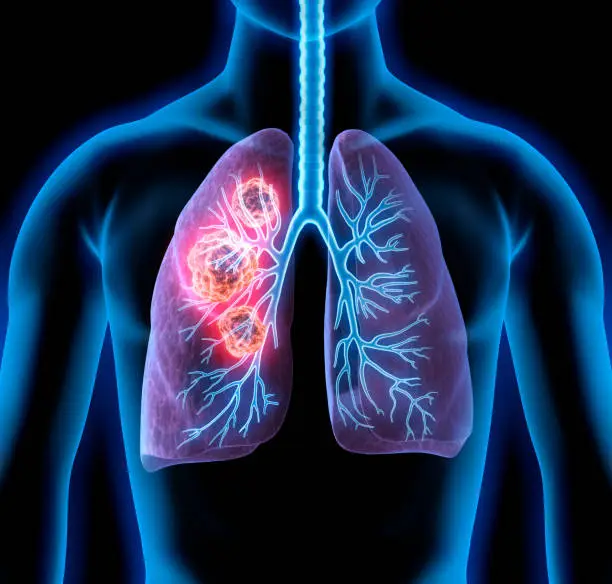
Immune System of human body
DR. RICHARD CABOT AND THE REV. RUSSELL DICKS
ONE day an elderly man, with a ruddy, fresh complexion, stepped off the kerb without looking and was struck by a motor-car. Taken to the hospital, he died within an hour. When his wife was asked about her husband, she declared that he had never been sick in his life. He was a most active person both in mind and body.
Yet this is what was found upon examination: (1) healed tuberculosis of both lungs; (2) cirrhosis of the liver, with all the blood going round by a new set of roads above and below his liver; (3) chronic kidney trouble, but with enough reserve kidney tissue to function despite the destruction of portions of both kidneys; (4) hardening of the arteries and compensatory enlargement of his heart. No doubt he had had high blood pressure for a long time.
All this he never knew. He was a well man despite four potentially fatal diseases inside him.
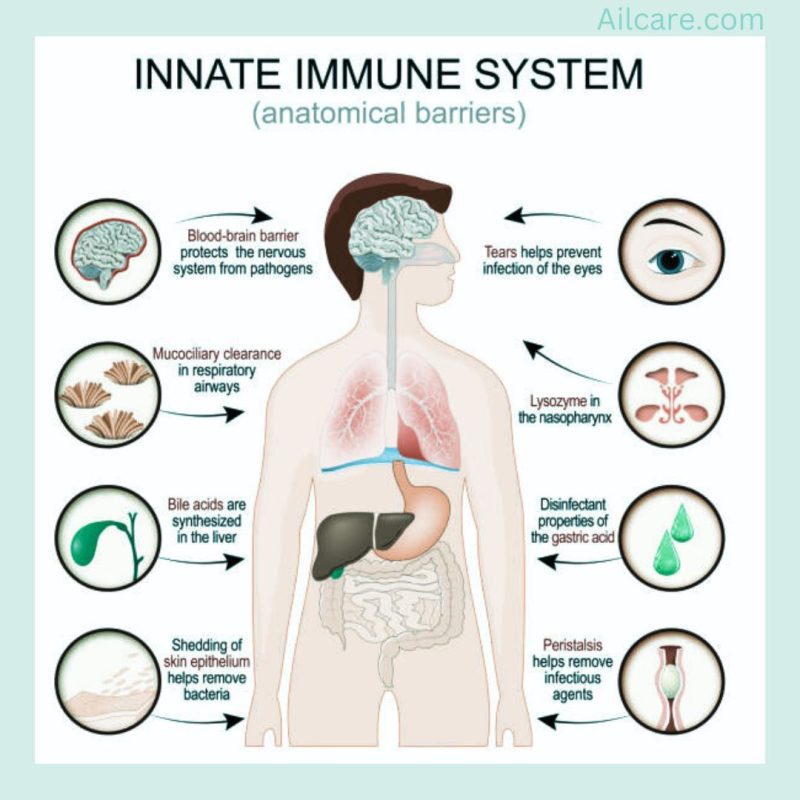
When a vessel’s rudder is damaged in a storm a “jury rudder” is often rigged. This man’s body was full of “jury” arrangements. Four vital organs had these compensatory defences, but he was a going concern.
“When you understand a great deal about the human body and its resources for health, you wonder why anyone is ever sick, the late Dr. Walter Cannon once said. Any doctor knows that if given rest, proper food and ease of mind 90 per cent or more of his patients get well. As a ship rights herself after a squall has keeled her over, so the body rights itself after the minor squalls that strike it daily in health and after the tempests of disease.
The organs of the body have a reserve that can be called upon in need. When a man suffers from tuberculosis of the lungs, part of the lung is destroyed; but he has a great deal more lung tissue than he needs. He can call upon his reserve and get along, as Dr. E. L. Trudeau did at Lake Saranac for nearly forty years of hard work administering his sanatorium, though he had only a part of one lung still healthy.
Experiment of immune System
Experiments have shown that one can remove more than two- fifths of the liver, and still the remaining part will carry on. When we see a surgeon cut and tie thirty or forty blood vessels in the course of an operation, we may wonder what is to become of the blood that should circulate through them. The answer is that we have many more blood vessels than we need.
Each of us has, too, about twenty-five feet of intestine. Three or four feet can be removed and hardly be missed. Sometimes only a few feet are left after an operation and the patient survives. A good number of people have had their stomachs removed completely and live normal lives. One young man in South Africa, after such an operation, can eat three normal, full-sized meals a day.
When heart disease takes the form of valvular inflammation and deforms the valve, the situation is as if one of the doors of a room were stuck half-way open. A person could not live if it were not that, as the deformity gradually occurs in the valve, the heart gradually thickens and so strengthens its own muscle. A heart that is ordinarily the size of a fist will become as big as two or even four fists, because it must.
How does a surgeon dare to remove a diseased kidney? Be- cause, as one kidney is removed, the other begins to grow to as much as double its size, and does the work of two. All the details are rebuilt, and the architecture of a kidney is far more complicated and differentiated than the architecture of any ordinary building. This ingenious ability has been called “the wisdom of the body.”
Another natural defence of the body is rest. If you sprain your wrist, even before the doctor comes, nature splints it by making it so sore and stiff that you hesitate to move it. If a person is strained emotionally or physically beyond a certain point of exertion or terror, nature says, “Take a rest,” and he faints.
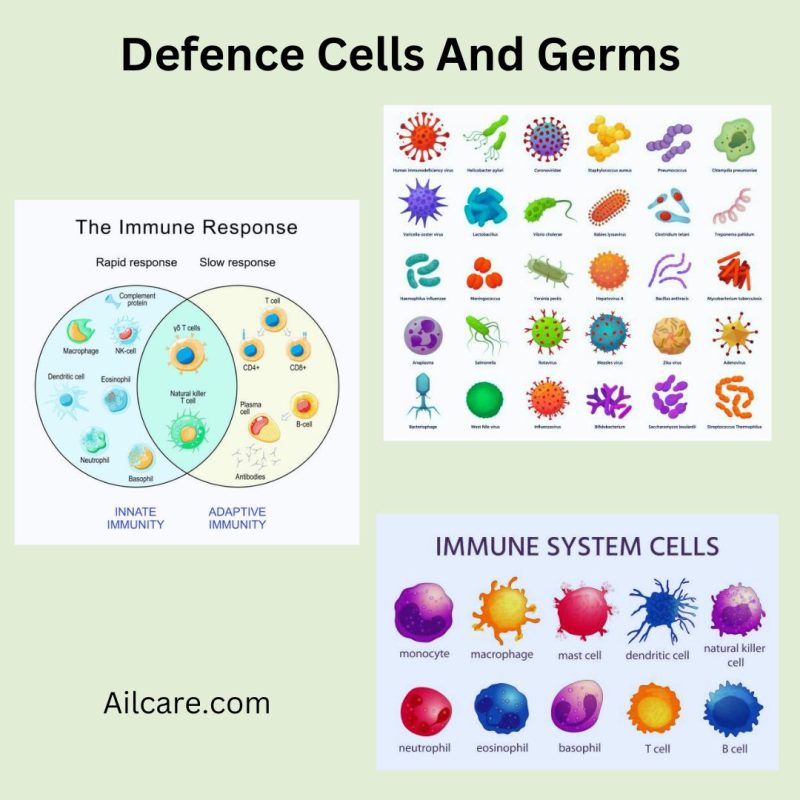
If you wound your finger with a dirty splinter, festering occurs. This is one of the most dramatic and wonderful things that hap- pens in the human body.
What is this stuff called “pus”? It is the dead bodies of the white corpuscles which have come to fight the bacteria and have died in the attack. They make a wall of defence between the attacking bacteria on one side and the free circulation on the other. Almost every case of appendicitis would be fatal if this wall were not built by nature round the diseased appendix. It shuts in the inflammation until the surgeon operates.
God’s plan provides a great healing power in ourselves that makes for health, a never slumbering intelligence which doctors try to imitate and supplement with medical and surgical work. In our fight against disease we always have this prodigiously ingenious and powerful force at work on our side.

