
Introduction
The word “stroke”—literally a striking down—has frightening overtones for most people. overview of strokes as neurological disorders, a stroke can be very serious, even fatal, but it can also be quite mild. A “little stroke” does not necessarily shorten a person’s life and may impair their faculties only temporarily. It should never be looked upon as the end of a productive life.
When studying a comprehensive overview of strokes as neurological disorders, it becomes clear that early understanding and timely intervention can save lives and restore normal functioning.
What Is a Stroke?
Doctors term a stroke a cerebrovascular accident or apoplexy. Strokes have advanced to become one of the leading natural causes of death globally, trailing only heart disease and cancer.
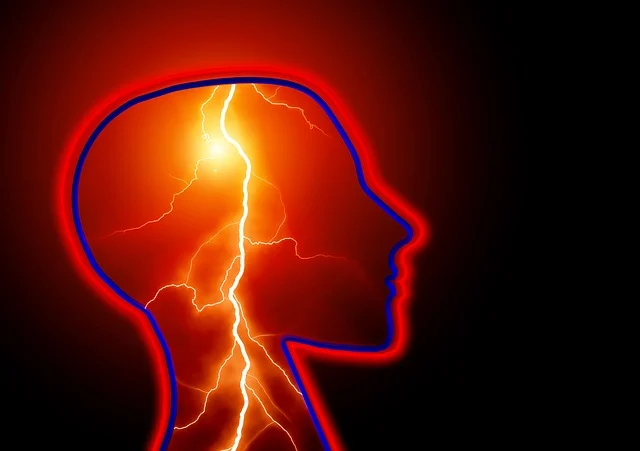
Often referred to as apoplexy, a stroke occurs when the blood supply to the brain—or a portion of it—is suddenly cut off. To perform its vital functions, the brain requires an enormous quantity of oxygen, consuming nearly 20% of the total amount used by the body.
More than a pint and a half of blood must circulate through the brain every minute. If brain cells are denied oxygen for even five minutes, they begin to die. Although dead brain cells cannot grow back, the brain’s ability to recover functions is often remarkable due to its adaptability.
[Oxygen/Blood Supply Cut Off] ➔ [Brain Cell Deprivation (5 Mins)] ➔ [Tissue Impairment] ➔ [Neurological Deficits]
How Strokes Affect Brain Functions
A stroke usually takes place in the cerebrum—the part of the brain containing nerve centers that control sight, hearing, speech, and bodily movements.
Nerve fibers run from these surface zones deep into the brain and down the spinal cord, carrying impulses throughout the body. If a blockage or bleed stops blood flow to one of these control zones:
-
Speech Control Damage: The victim finds it difficult to coordinate words or send signals to the vocal cords.
- Motor Control Damage: The victim may experience weakness or total paralysis on one side of the body.
The 4 Major Causes of Strokes
When analyzing an overview of strokes as neurological disorders, medical experts categorize their causes into four distinct mechanisms:
1. Clotting (Thrombosis and Embolism)
-
Thrombosis: Atherosclerosis causes fatty cholesterol plaque to narrow the blood vessels. As blood flow slows, chemical platelets cluster on these rough spots, forming a clot (thrombus) that blocks the vessel.
-
Embolism: A blood clot (embolus) formed elsewhere in the body breaks free, travels through the bloodstream, and lodges in a narrower brain artery. Cerebral embolism is a frequent cause of strokes in younger individuals.
2. Hemorrhage
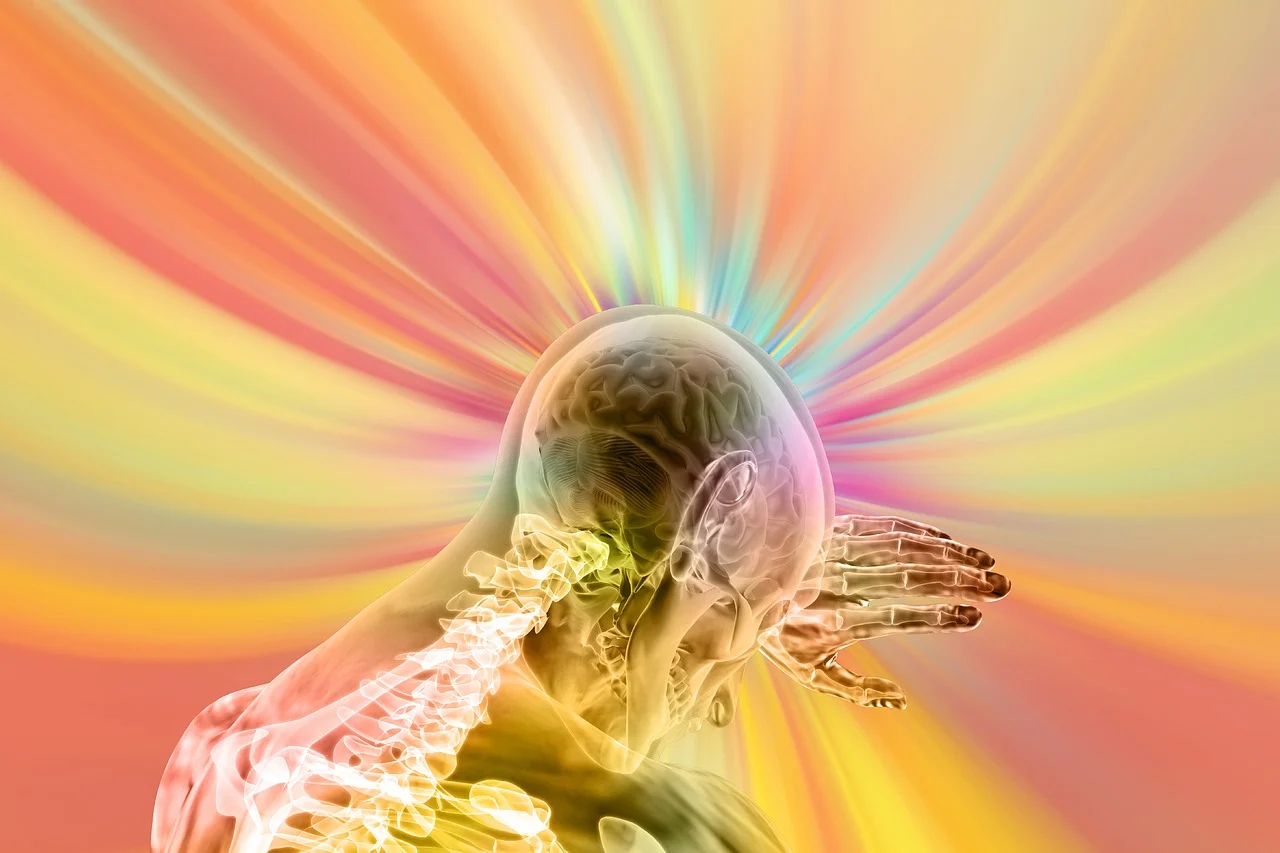
A brain artery ruptures, causing blood to escape into surrounding brain tissue. Because the brain is enclosed by a rigid skull, accumulated blood creates severe pressure. Cerebral hemorrhage is usually detectable via blood in the spinal fluid and generally requires intensive medical or surgical intervention.
3. Compression
A tumor, swollen brain tissue, or a large blood clot from an adjacent blood vessel presses hard enough against a neighboring artery to stop its blood flow.
4. Vascular Spasm
A brain artery suddenly constricts, pinching off the blood passage. The severity of the damage depends on how long the affected vessel remains constricted before relaxing.
Types of Strokes Compared
| Stroke Type | Primary Cause | Key Characteristics |
| Thrombotic Stroke | Local blood clot (atherosclerosis) | Gradual onset; related to high cholesterol and blood pressure. |
| Embolic Stroke | Traveling blood clot from elsewhere | Sudden onset; common cause of stroke in younger adults. |
| Hemorrhagic Stroke | Ruptured blood vessel in the brain | Causes severe brain pressure; hardest to recover from. |
| Compressive / Spastic | Tumors, swelling, or arterial spasms | Blocks circulation due to external pressure or sudden vessel constriction. |
Warning Signs and Prevention Strategies
Strokes rarely occur without prior warnings. Early detection of high blood pressure and cardiovascular issues can significantly reduce risk.
Early Warning Signs:
-
Severe aches in the back of the head and neck.
-
Sudden dizziness, fainting, or loss of balance.
-
Numbness or tingling in the limbs/face.
-
Unexplained nosebleeds or retinal hemorrhages in the eye.
Methods to Control Risk Factors:
-
Manage High Blood Pressure: Maintain healthy blood pressure levels through routine annual checkups.
-
Weight & Stress Management: Avoid obesity and chronic emotional strain.
-
Dietary Adjustments: Reduce saturated fat and excessive cholesterol intake early in life.
-
Medical Treatments: Use prescribed blood pressure medications or anticoagulants under medical supervision.

Recovery and Hope After a Stroke
A stroke does not mean the end of a meaningful career or active life. History offers inspiring examples of incredible recovery:
-
Louis Pasteur: Suffered a stroke at age 46, went on to live another 27 years, and performed his greatest work (including conquering rabies).
-
Sir Joshua Reynolds: Painted over a hundred canvases after experiencing a stroke at age 59.
-
George Frideric Handel: Composed his immortal Messiah after recovering from a stroke.
With modern physical therapy, speech retraining, water therapy, and family support, undamaged areas of the brain can gradually learn to take over tasks from injured regions.
Conclusion
Understanding this overview of strokes as neurological disorders empowers patients and families to recognize warning signs early and seek immediate medical attention. With medical advancements and patient determination, full or significant recovery is entirely achievable.