
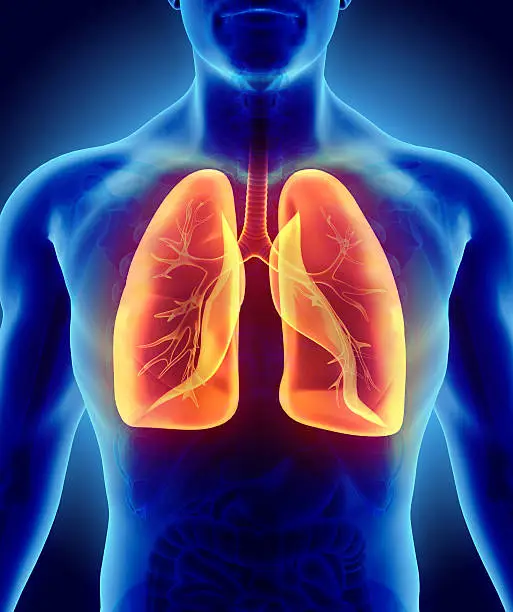
Lungs 2 Wonderful
J. D. RAT CLIFF
We cramp them with poor posture and subject them to smog, dust and industrial fumes. We inflate them five hundred million times in an average lifetime. wear and tear that would destroy any man made material. Despite such punishment these remark able organs in our lungs give most of us long and trouble free service.
Lungs Anatomy
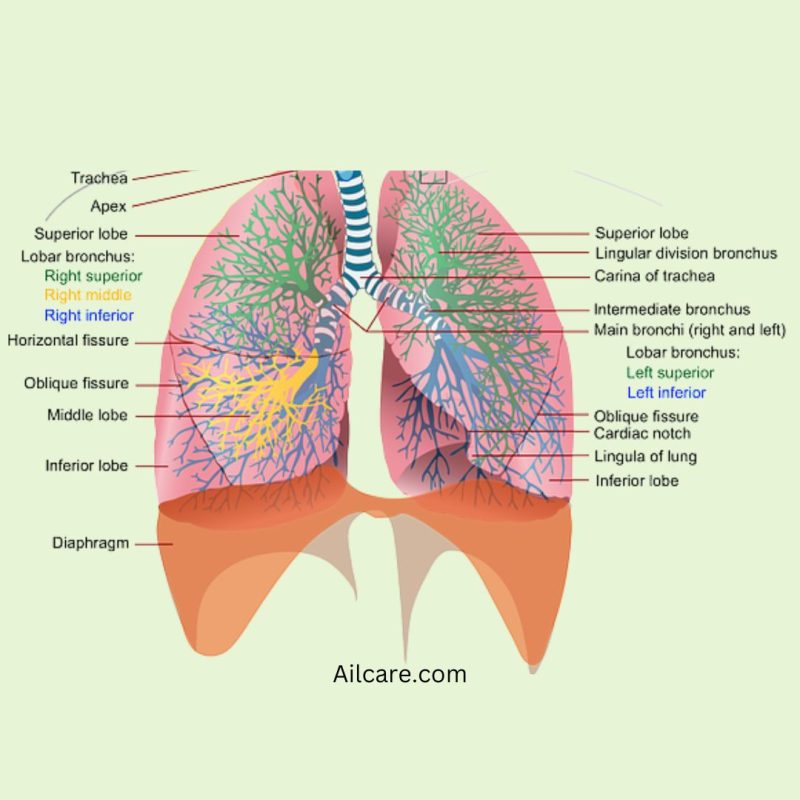
Wherever we live frigid North, arid desert, sooty city our lungs require air much like that found in a tropical swamp hot, moist, dirt free. If the smoke and dust we breathe ever reached the lungs minute air passages they would be clogged within hours. If bacteria gained admittance freely we would die of flaming infections. To guard against such disasters nature has devised an incredibly complex air conditioning system.
Respiratory system
Its wonders begin with the nose, whose special construction is a measure of its importance. Made mostly of pliable cartilage, it can be mashed and pummelled and still continue to function. Hairs in the lining of the nose screen out large dust particles, and its passages help warm the air. Most of this warming task, how ever is accomplished in deeper nasal passages, where the bones are covered by tissues with an enormously rich blood supply. Air passing over these tissues is warmed like air passing over a radiator. On cold days the blood vessels dilate to produce more heat on warm days they shrink.
As part of the elaborate humidifying system, glands leak fluid into the nasal passages as much as a quart a day. Added moisture comes from tears that constantly bath the eyes and spill over into the nasal passages through tear ducts. Here too the war on bacteria, which we breathe by the millions each day, gets under way. A remarkable enzyme called lysosomes, one of the most powerful bacteria destroyers known turns up in tears and mucous secretions.
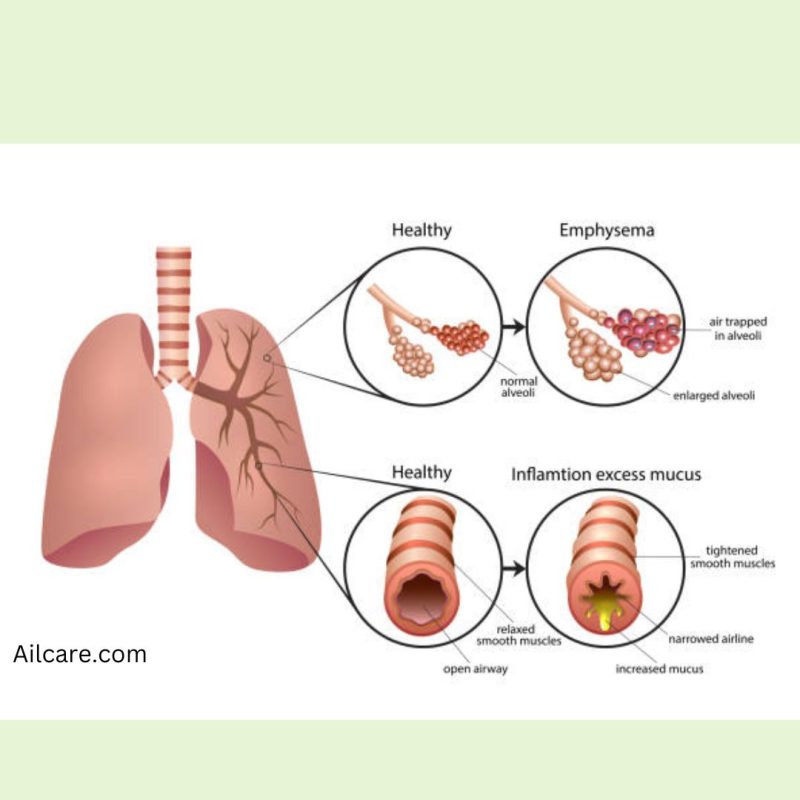
The inspired air still contains a potentially lethal burden of dust particles. To help get rid of them air passages are lined with glands which secrete a sticky film of mucus. It acts much like fly paper in trapping dust particles. This flypaper would be hopelessly clogged with dirt in a short time but for another remarkable mechanism air passages have their own sweeping system. Microscopic cilia hairs cover the entire route and flail back and forth twelve times a second. Moving faster in one direction than the other, they sweep debris upward towards the throat. Swallowed it will be harmless in the digestive tract.
The incredible energy of the cilia can be demonstrated by snipping a piece of tissue from a frog’s throat. If placed on a table, the cilia will walk the tissue off the table. If placed in a bottle, the tissue will climb out!
coughing
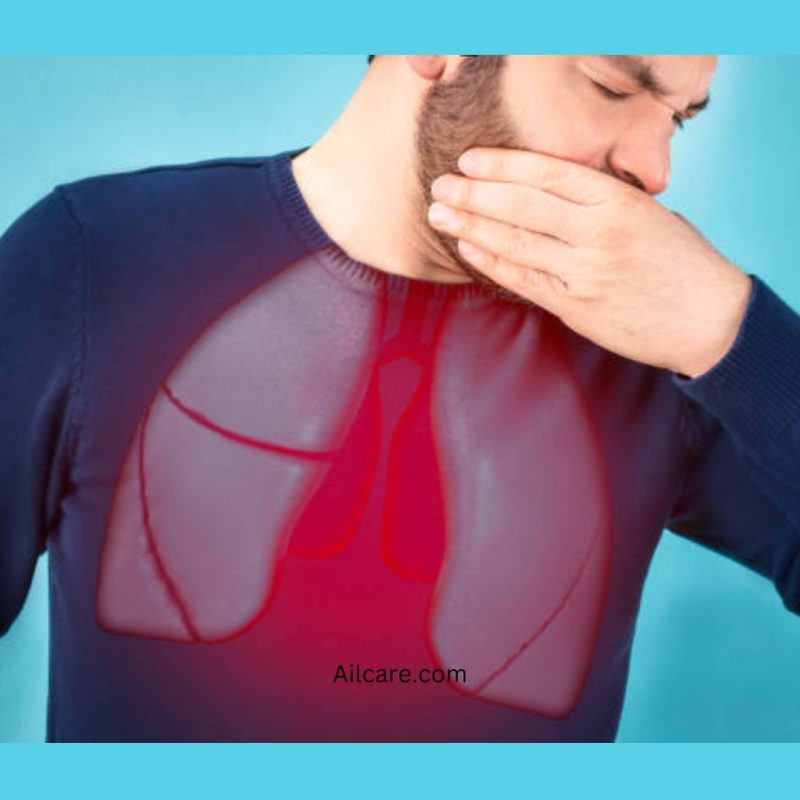
At times we tax the capacity of these cleaning mechanisms for example when we smoke too much. In a futile effort to trap countless millions of smoke particles, the throat secretes excess mucus. The mucus itself becomes an irritant and must be coughed up. In a cough, air is trapped in the lungs by the epiglottis, the valve at the upper end of the windpipe, or trachea, which carries air to the lungs. When the valve opens suddenly, air rushes out with explosive force. Thus the cough, which we consider a nuisance, is actually essential to life-as an emergency cleaning measure.
Normally we take eighteen to twenty breaths a minute, using only about one-eighth of our lung capacity. With each breath we inhale about a pint of air. Since resting lungs hold six pints, only a sixth of the air is changed at a time. During violent exercise, when cells are hungry for oxygen, deeper and more rapid breath- bring into the lungs ten or more times the oxygen supplied during rest.
The lungs are not simply inflatable bladders; they are among the most complex structures in the body. Cut through, they look something like the cross-section of a rubber bath-sponge. Each lung has its own duct from the windpipe it enters near the top and starts branching like a tree. The branches are the bronchial tubes. Their job to deliver air to the functioning part of the lung those 750,000,000 microscopic air sacs called alveolar. All together they have a surface area twenty-five times that of the skin spread flat they would cover 600 square feet.
Each Aeolus has a cobwebby covering of capillaries so tiny that red blood cells must pass through them in single file. Through their gossamer walls the blood gives up waste carbon dioxide and takes in refreshing oxygen. Every few minutes the body’s entire supply of blood must pass through these minute blood vessels in one end a dark blue ,black out the other a bright red. Day and night this all important work must proceed without interruption. Breathing itself is an intricate process.
The lungs hang loosely in the chest, each in a separate compartment. (The heart is between them in its own compartment.) Round them is a partial vacuum. Therefore, when the chest is enlarged the vacuum tugs the lungs outward, thus sucking in air. Expansion of the chest is brought about by either or both of two methods. The diaphragm the sheet of muscular tissue which divides chest from abdomen may drop downward. Or the ribs which are hinged to the spine may swing outward. Expiration is simply a recoil mechanism.
Until the 1930’s the chest was generally taboo territory for the surgeon, for once it was opened the lungs no longer in a partial vacuum, would collapse and breathing would cease. Then came improvements in anaesthesia chiefly the increased use of tubes which can be slipped down the windpipe so that the anaesthetise can force air and oxygen rhythmically into the lungs. With this innovation a brilliant new day dawned for chest surgeries.
Our Miraculous System of Defences


