
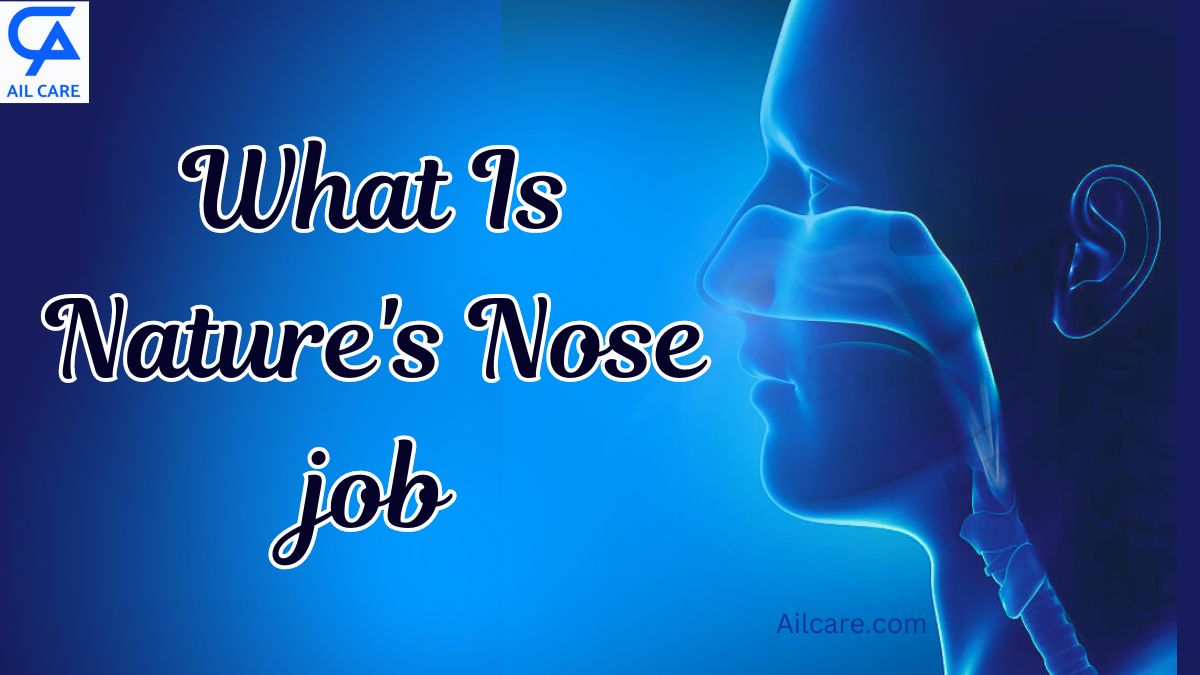
What Is Nature’s Nose job?
Most school systems have art teachers educating the eye and music teachers educating the ear, but none so far has attempted to tutor the nose. Yet the nose holds the key to distinctions no other sense can unlock, and to aesthetic pleasures as great for some as music and pictures are for others. Not vision, not hearing, not touch nor even taste, so nearly kin to smell, can call up memories with such verity.
The odour of Newtown hay, burning leaves in the autumn, lupins, stable manure, ham and eggs cooking, new leather-or many another aroma may suddenly bring back a magic moment, alive and unimpaired by a lapse of time.
The sense of smell has few words which belong to it exclusively. Just in from an early morning ramble through a grove of mores, I search in vain for a word to describe the pleasing odour that lingers in my nostrils. This paucity of odour words common to most languages is all the more remarkable when we consider that smell is the most experienced of the senses.
The new-born calf, shaky on its spindly legs, with wide open but unseeing eyes, searches along the vast underside of its mother, guided by smell to the distended udder. Cows, sows, ewes and nanny goats, bitches, mares all identify their young by odour, even after the infant has found its voice.
The sense of taste tells you only whether a substance is sweet, sour, salty or bitter. It is your sense of smell that reveals the true savour of food. Try sipping onion soup while holding your nose, or when you have a head cold. The characteristic flavour vanishes. All that is left is a hot, somewhat salty liquid. By means of taste alone, you can barely distinguish between a food you love and one you detest.
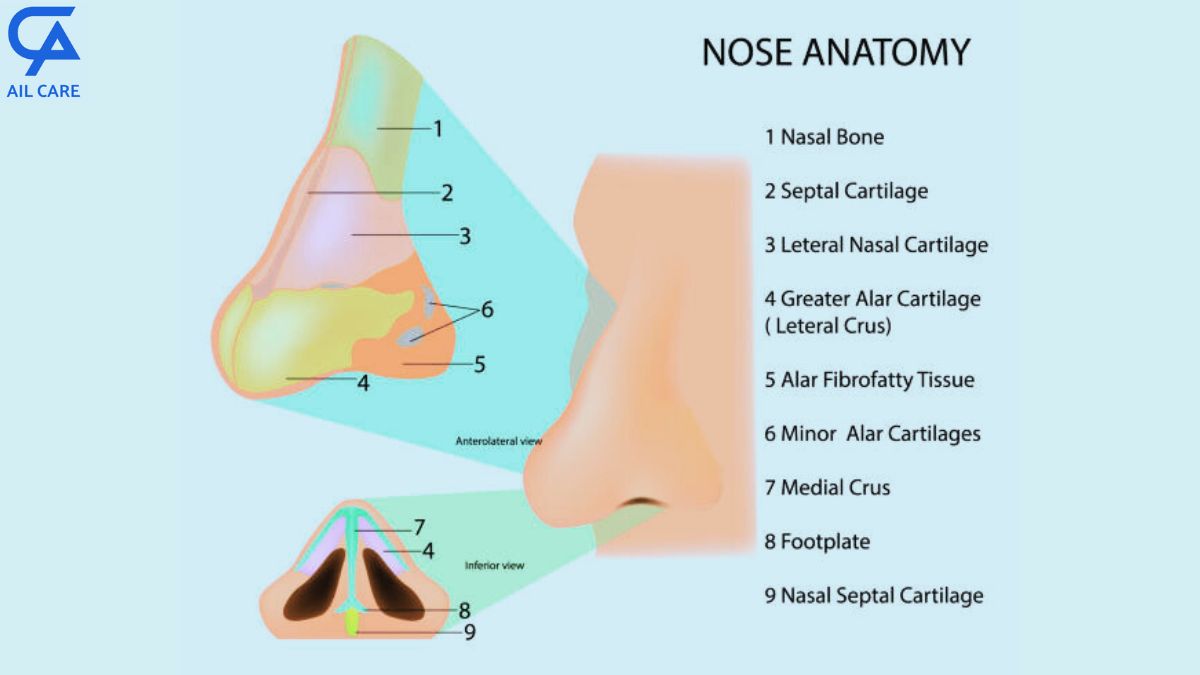
In the human face the outside nose is obvious, but another nose, in the upper nostrils, is a hidden mechanism of unimaginable delicacy. On each side of the upper nostrils, a spot about the size of a sixpence contains special nerve cells. Odour molecules, which in the form of gases travel even in the stillest air or water, are carried to these cells and produce chemical reactions.
Flavours reach the nose “through the back door”: they travel from the mouth down the throat and then up again along the air passages which lead to the nasal cavities. You “smell” when you inhale; you sense flavours when you exhale; otherwise the nerve-rich surfaces which form the ceilings of your two processes are the same. Both depend upon your olfactory two nasal cavities.
Each olfactory area is about the size of a postage stamp and situated so high in the nasal passages that, during ordinary in haling, moderately odorous air may pass under it without arousing any decided smell sensations. When you see something whose odour you wish to sample, you sniff and this carries the odour laden air upward to the olfactory tract. There is no need to sniff while you eat, though. As you chew your food, warm vapours are released from it; the act of swallowing and the related act of exhaling pump these flavour laden vapours upward towards the nose.
In general, the higher the temperature of a substance, the more molecules are given off and the more intense is the odour. This explains why good cooks insist on serving dishes piping hot.
Unlike the eye and the ear, which respond to only a limited and precise range of vibration, the mechanism in this inner nose is able to receive a virtually unlimited number of odour stimuli.
In certain respects, smell is the subtlest of our senses. A scientist can, with the help of costly equipment, identify one drop of a chemical mixed with a million drops of something else. But with his unaided nose the same scientist, or anyone else, can instantly identify a highly odorous mercaptan even though each molecule of it is diluted with millions of molecules of air.
Why are some smells pleasant and some unpleasant? The answer seems to lie partly in the distant past of mankind and partly in each individual’s experience. The stench of rotting matter and of excrement are almost universally detested; they are warnings of possible contamination.
On a spring-morning stroll in the country, or a walk in the woods, there are fresh and delightful nasal experiences at every turn. Some people have the bad habit of picking a flower or a spray from a fragrant shrub and holding it to the nose. They will learn from experience that one odour in the bush is worth two in the hand. Nature anticipated the perfumery trade by mixing
odours indiscriminately in the wind, and the sniffer abroad is in for delightful surprises. Unique blends are bound to occur; mixtures never before sensed by mortal man may come casually into his nostrils. Though in our Western civilization the sense of smell has fallen from its great estate as dispenser of sensuous delights, it is a sense that can be developed.
The Japanese, who perfume many things that come into daily use about the household, have a game of competitive identification of odours. Helen Keller, through her blindness from an early age, has acquired an exquisite sense of smell. Often she knows without being told what occupations people are engaged in, through the odours of wood, iron, paint or drugs clinging to their garments. “When a person passes by,” she wrote, “I get a scent impression of where he has been-the kitchen, the garden or the sick-room.” In short, she can smell a way of life.
We are only at the threshold of discovering the linkage of smells with the emotions, and the still unexplained physiology of the transmission of sensory data to the brain. Perhaps one day, when we come to understand this delicate sense, we will give it the education it deserves. Then we may be able to restore to the human nose the full power and acuteness it once had, before neglect and the violent affront upon it of burning petrol, smoke and the thousands of other products of civilization disrupted the marvellous mechanism of olfaction.
What Is Nature’s Nose job? What Is Nature’s Nose job? What Is Nature’s Nose job? What Is Nature’s Nose job? What Is Nature’s Nose job? What Is Nature’s Nose job? What Is Nature’s Nose job? What Is Nature’s Nose job? What Is Nature’s Nose job? What Is Nature’s Nose job? What Is Nature’s Nose job? What Is Nature’s Nose job?