
Introduction
Thousands of people each day slip thermometers under their tongues, wait a few minutes, and consult the little arrow. Most laymen believe that the higher the body temperature, the graver the illness, but modern medicine views it differently. For two thousand years, medical professionals have debated: Is fever a friend or foe?
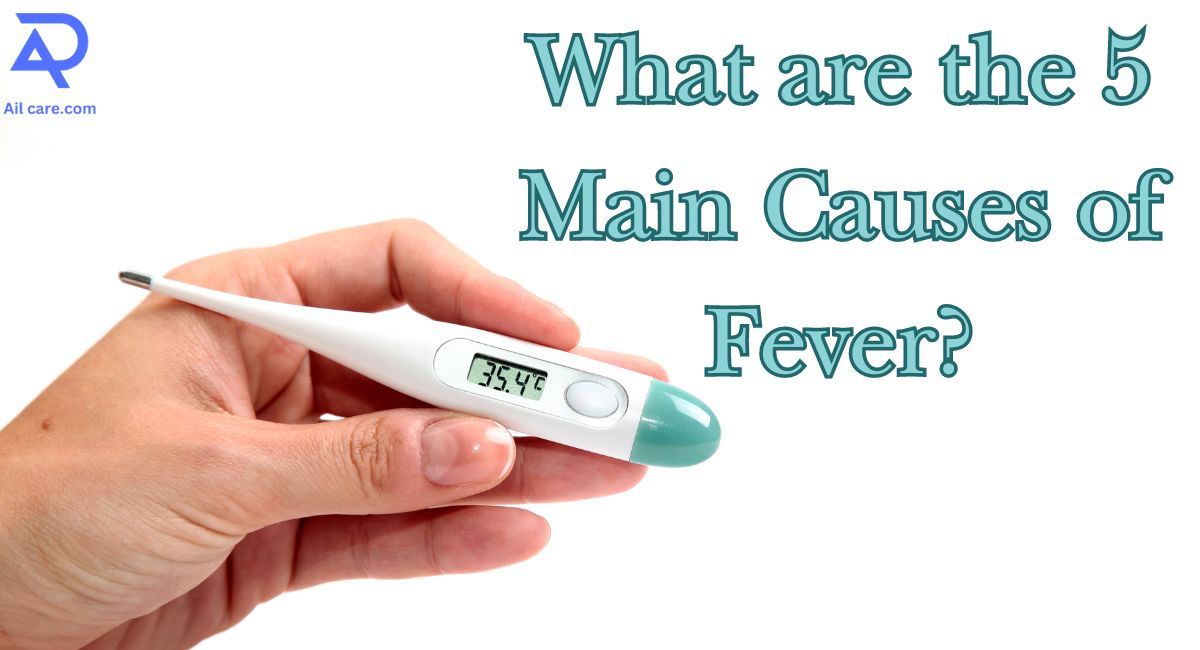
When asking what are the 5 main causes of fever, it is important to first understand what a fever actually is. Simply put, a fever indicates that the body is generating heat faster than it is losing it.
Understanding the Body’s Thermostat
Your body’s temperature control system functions remarkably like a home heating system. The food you eat is processed mainly in muscle tissue, and the resulting heat is circulated throughout the body via the bloodstream.
The entire system is controlled by specialized cells in the hypothalamus (located on the underside of the brain), which acts as the body’s internal thermostat. When this thermostat is pushed higher, a fever occurs, causing the sweating mechanism to slow down and the skin to become dry and hot.
[Hypothalamus Thermostat Reset] ➔ [Heat Retention / Reduced Sweating] ➔ [Body Temperature Rises] ➔ [Fever Response]
What Is Normal Body Temperature?
Dr. Carl Wunderlich established in the 19th century that “normal” body temperature was 98.6°F (37°C). However, modern research shows that body temperature fluctuates throughout the day—lowest in the early morning and highest in the late afternoon. Doctors now define a normal “zone” ranging from 97.2°F to 99.5°F.
What Are the 5 Main Causes of Fever?
Although a fever can feel frightening, it is a symptom rather than a disease. Here are the five primary triggers that push the body’s thermostat above its normal baseline:
Yoast SEO mein Transition Words (jaise First, Additionally, Furthermore, Moreover, Finally) flow aur readability score ko Green karne ke liye bohot zaroori hotay hain.
Aap ki list ke andar transitions add kar ke isko perfect kar diya gaya hai:
1. Bacterial and Viral Infections
To begin with, by far the most common producers of fever are microbial diseases, such as colds, influenza, sore throats, and pneumonia. Under microbial attack, white blood cells release fever-producing chemicals called pyrogens, which subsequently signal the hypothalamus to raise body temperature to help kill off the invading pathogens.
2. Emotional Stress and Anxiety
Additionally, surprising as it may seem, strong emotional reactions can cause temporary temperature spikes. For instance, children frightened by hospital visits often run fevers in the 101°F to 103°F range due to stress-induced hormonal surges.
3. Brain Injury or Hypothalamus Damage
Furthermore, physical trauma to the head, strokes, or tumors growing into the hypothalamic region can damage the brain’s thermal regulator. As a result, this structural impairment often leads to severe or “raging” fevers.
4. Post-Traumatic Inflammatory Responses
In addition, major physical events—such as severe tissue injury, surgical procedures, or heart attacks—trigger inflammatory metabolic responses. These chemical changes then elevate the body’s internal temperature as a natural part of the healing process.
5. Environmental Heat and Sunstroke
Finally, extreme environmental heat exposure or sunstroke can overwhelm the body’s cooling mechanisms, such as sweating. Consequently, internal body temperatures can dangerously soar beyond safe limits.

Fever Patterns and Diagnostic Indications
Different health conditions cause distinct fever patterns, which doctors use for diagnosis:
| Fever Pattern | Temperature Behavior | Typical Conditions |
| Continuous | Temperature remains consistently elevated. | Typhus, severe viral infections |
| Relapsing | Normal for a few days, followed by sudden spikes. | Malaria |
| Remittent | Fluctuates markedly but stays above normal. | Typhoid fever |
| Intermittent | Drops back to normal at least once during the day. | Bone infections, abdominal abscesses |
Is Fever Friend or Foe? (Safe Limits)
Unless a fever reaches extreme levels, it has many beneficial effects:
-
Fights Pathogens: Higher temperatures slow down bacterial multiplication and enhance antibody production.
-
Boosts Immune Response: Stimulates white blood cells and increases production of stress-fighting hormones like ACTH.
-
Enhances Medication: Helps antibiotics (like penicillin) work more effectively against bacteria.
Dangerous Fever Levels:
While temperatures rarely rise above 106°F due to emergency body cooling mechanisms, fevers reaching 109°F can cause severe brain damage and require immediate medical cooling (such as ice baths).
Modern Rules for Managing a Fever
Over time, medical guidelines for managing common fevers have evolved significantly:
-
Do Not “Starve a Fever”: Because fever raises the body’s metabolic rate, the body needs extra nourishment. Provide a high-protein, high-vitamin diet with plenty of fluids.
-
Keep the Room Cool: Do not bundle a feverish patient in heavy blankets to “sweat it out.” Use light bed coverings in a comfortably cool room.
-
Rest as Needed: For ordinary, self-limiting childhood illnesses, strict bed rest is no longer mandatory; quiet home play is fine if the child feels up to it.
Conclusion
Fever is no longer the terrifying mystery it once was. In the vast majority of cases, a fever is a helpful ally—a sign that your immune system is actively fighting to restore your health.