
Causes Of Heart attack In Adults?
Introduction
Many people have thanked God after surviving a heart attack. Most of them are individuals who faced a heart attack in adults and recovered to find a new perspective on life, complete with greater satisfaction and peace.
But why do so many of us have to wait until we come within an inch of death to learn this lesson? Can’t we learn how to live before a heart attack strikes? When asked this question, famous coronary victim, author, and poet Jesse Stuart remarked: “People just won’t listen. I wouldn’t listen to myself until the good Lord gave me a heart attack.”
So, what is the ultimate lesson life tries to teach us? It is this: a person’s attitude towards life and their emotions are strongly linked to heart attacks in adults.
How Emotional Stress Affects the Heart
There are strong indications that emotional stress may be just as critical as better-defined risk factors like overweight, diet, and heredity. The connection between the heart and emotions is even embedded in our daily language: heart-broken, heavy-hearted, heartfelt, and heartache.
Modern physicians are now proving the direct impact emotions have on heart function.A recent medical study found that emotional stress was four and a half times more prevalent in coronary victims than in individuals with healthy hearts.Coronary patients often exhibit a compulsive tendency toward overworking, high self-discipline, and constant striving. They frequently set monumental tasks for themselves, exceeding their normal capacity while ignoring clear warning signals and neglecting essential health rules.
What Causes a Heart Attack in Adults?
Two heart specialists in San Francisco conducted a study on two distinct groups of men:
-
Group A: Highly competitive, ambitious men constantly fighting tight deadlines.
-
Group B: Easy-going men with far less competitive drive.
The results were astonishing: seven hundred percent more heart disease was discovered in Group A!Similarly, in a study conducted at Temple University Hospital in Philadelphia, doctors found “gradually mounting tension” prior to a heart attack in 49% of cases, and “acute emotional stress” just before the attack in 37% of patients. In contrast, non-coronary patients showed virtually no instances of mounting tension and very low rates of acute stress.
Real-Life Example: Mounting Tension
One forty-three-year-old machinist described his experience with mounting tension before his cardiac event:
“Everything was okay until the last few weeks. Then the boss started a speed-up. The equipment broke down, and as fast as we could rebuild it, something else broke. Work used to be enjoyable, but now I hate getting up in the morning. When I saw my work being smashed to pieces, it broke my heart.”
How Can Stress and Hormones Damage the Heart?
Under severe emotional stress, the adrenal glands flood the bloodstream with adrenaline. This hormone causes smaller arteries to contract. In response, the heart speeds up its pulse rate and elevates blood pressure to maintain full circulation.
When adrenaline secretion constricts the coronary blood vessels, the heart muscle becomes deprived of its full blood supply. This oxygen deprivation leads to chest pain, commonly known as angina pectoris.
[Stress & Anxiety] ➔ [Adrenaline Release] ➔ [Artery Constriction] ➔ [Angina / Reduced Blood Flow]
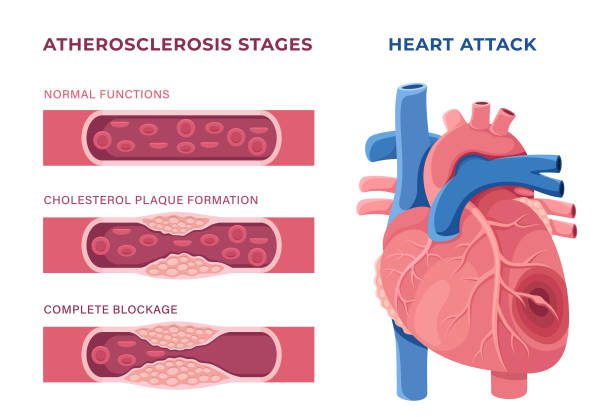
Continual emotional tension and repeated emergencies subject the body to unnatural wear and tear. Over time, this stress accelerates atherosclerosis—the narrowing and hardening of arteries caused by fatty plaque deposits. Furthermore, emotional stress directly interferes with fat metabolism, increasing cholesterol levels in the bloodstream.
The Role of Dietary Cholesterol and Junk Food
Cholesterol is an essential substance manufactured by the liver and absorbed through foods high in saturated fats, such as butter, cream, egg yolks, and processed junk food. Eating excessive high-cholesterol fast food places heavy strain on the cardiovascular system, directly contributing to coronary artery illness.
High-Fat Diets vs. Low-Fat Diets
-
Western Diets: High consumption of eggs, animal fats, and processed foods leads to significantly higher blood-cholesterol levels and increased risk of a heart attack in adults.
-
Traditional Eastern Diets: In regions where diets consist mainly of rice, grains, lean protein, and vegetables, coronary mortality rates are remarkably lower.
While genetics play a vital role in determining how thick your arterial lining naturally is, dietary habits determine how fast fatty plaque builds up.
Identifying the Warning Signs of a Coronary-Prone Person
Can we identify a person who is building toward a cardiac event before it occurs? Medical experts suggest that coronary-prone individuals often display specific behavioral patterns:
-
Urgency and Impatience: They constantly check their watches, hate wasting time, and try to squeeze maximum activity into every hour.
-
Aggressive Communication: They frequently use emphatic hand gestures, interrupt others, or finish people’s sentences for them.
-
Neglecting Rest: They believe fatigue is not an excuse to stop working.
Medical Prescriptions and Lifestyle Deceleration
Doctors recommend a multi-step deceleration program alongside standard medical care:
-
Heart Medications: Essential prescriptions help manage cardiovascular conditions, lower high blood pressure, and reduce cholesterol levels. By improving blood circulation and regulating heart rhythm, these medications effectively prevent strokes and heart attacks.
-
Pace Yourself: Wake up early enough to avoid rushing, delegate tasks, and cut out unnecessary obligations.
-
Learn to Walk Away: Reduce emotional conflict by stepping back from arguments and stressful business confrontations.
Conclusion: Learning to Live Before It’s Too Late
Life is almost always sweeter for those who survive a cardiac event, but no one should have to face death to learn how to live. By slowing down, adopting a low-cholesterol diet, and managing emotional stress, you can dramatically reduce the risk of experiencing a heart attack in adults.See More Detail